Institutional Memory
The decision framework your underwriting workflows apply.
Your organization’s own judgment, written down as a decision framework, kept current, and owned by you. In specialty underwriting, that is what makes the difference.
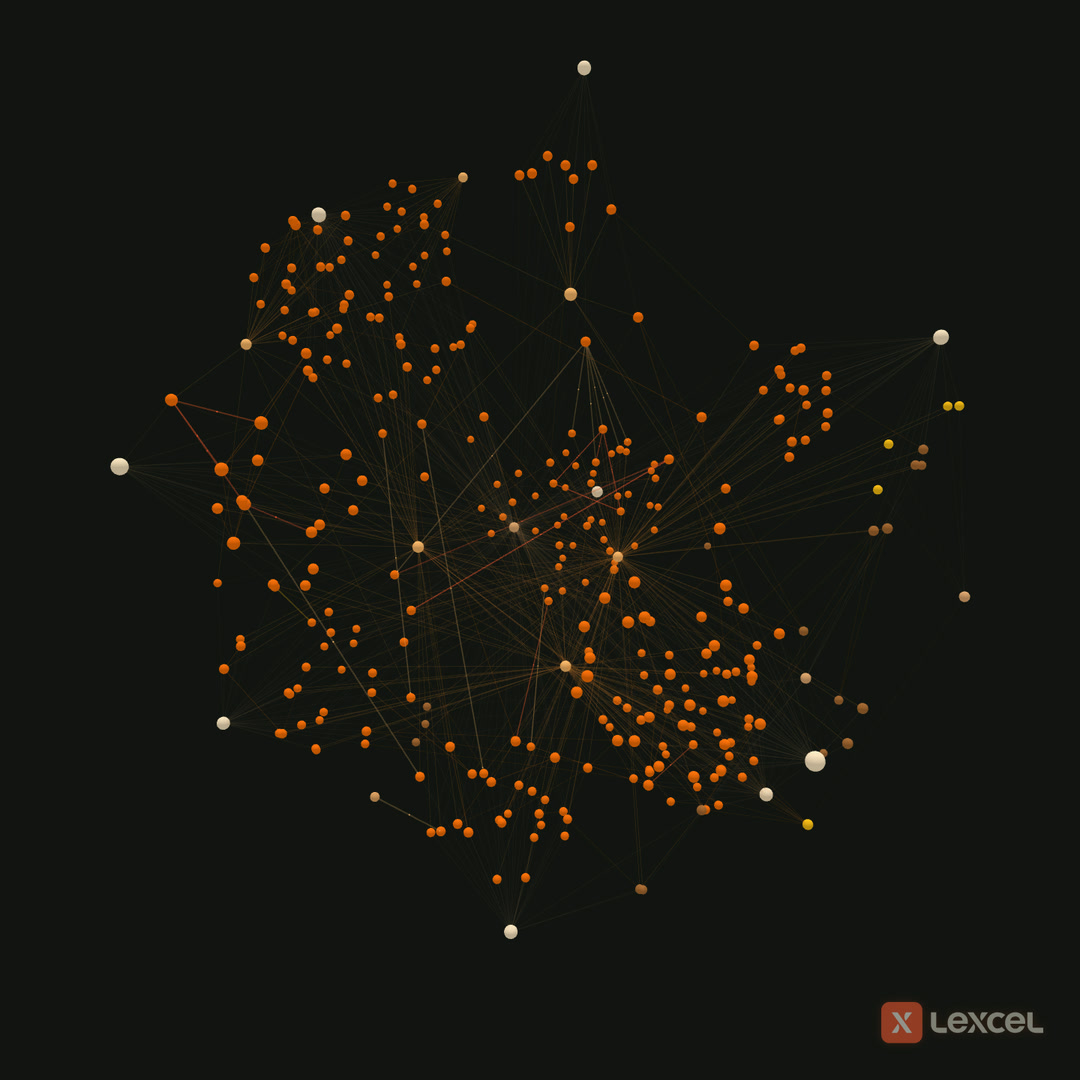
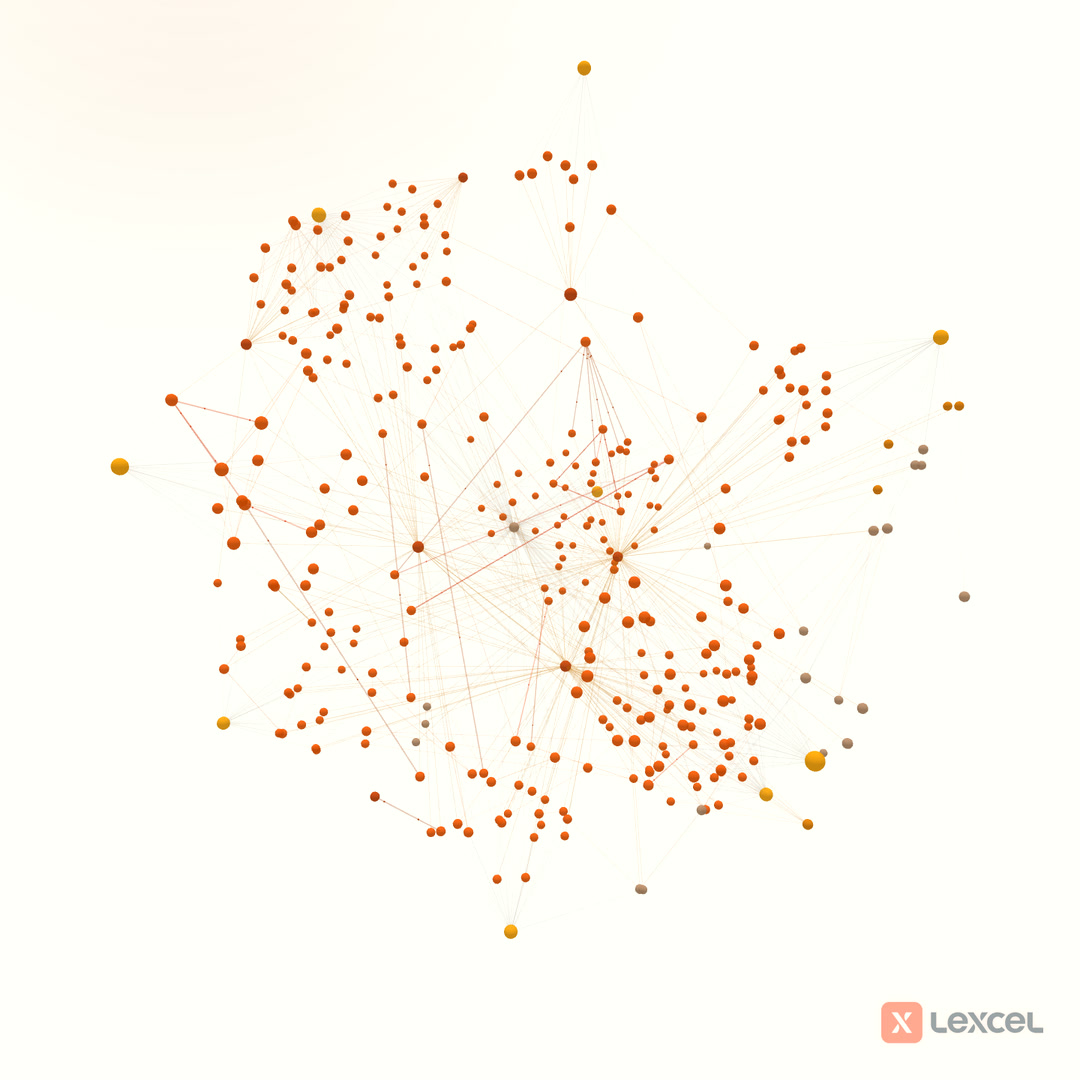
What a decision framework actually holds
Institutional memory is everything your desk has learned about how it underwrites. A decision framework is that knowledge put into a form your workflows can apply.
Positions, fully specified
"We exclude this" on its own is not enough for a system to act on. A position in the framework spells out the facts that trigger it, when to narrow or carve it out, and the source materials behind the call, so a system can apply it and an underwriter can check it in seconds.
Current, with its history intact
As appetite and market conditions move, the framework moves with them, so it reflects how the desk underwrites today. It keeps the record of how you got there, so the reasoning stays with the organization rather than leaving with the underwriter who made the call.
Yours, and only yours
Built from your own materials and your own underwriters’ judgment, it is a proprietary asset that stays with you and no one else.
An asset that compounds
Each workflow you build adds to the framework, and it compounds as you build out more workflows across your practice. A framework built on your own judgment accrues: it is yours, and it gets more valuable the more of the book runs on it.
What building institutional memory actually takes
Building a framework that actually reflects a desk takes more than a setup wizard. It takes forward-deployed engineers working alongside your senior underwriters, evaluations built to your own standards, and often well over a hundred hours of continuous, monitored optimization. For one workflow. Skip any of it, and it shows as soon as a decision comes down to judgment.
Those engineers have to know both the underwriting and the technology. Someone fluent only in the systems cannot tell a position that still governs from a one-off accommodation. Someone fluent only in the desk cannot build workflows that hold up under real volume. Capturing judgment well takes both, working next to your underwriters.
That work is what makes the result proprietary. The judgment about which past positions still govern cannot be outsourced or automated away.
How it fits the platform
The workbench builds the record, the workflows apply the framework, and your institutional memory is what accrues.
Agentic Workbench
Builds the cited record from each submission and claim, so the framework is applied against verified facts, not a re-keyed summary.
Explore the workbench →Agentic Workflows
Run your framework on live files: bring the governing position forward with its materials attached, for the underwriter to apply, narrow, or override.
Explore workflows →Your institutional memory
Each workflow you build adds to the framework. It compounds as you build out more workflows across your practice, and it stays with you.
Talk to us →Questions teams ask about institutional memory
Is institutional memory just a better document management system?
No. A document management system stores files. Institutional memory structures policies, quotes, and claims so the team can retrieve comparable work product with citations on a live matter, then review before anyone relies on it.
Can AI learn our underwriting approach from our historical files on its own?
On their own, agents can extract a great deal from the files: what was decided, when, and where later work superseded an earlier call. What the files do not settle by themselves is which positions still reflect current appetite and which were one-off accommodations. That judgment comes from the underwriters who set the positions, and it is captured when the decision framework is built rather than re-derived on every file.
How do we keep outdated underwriting positions from becoming the new default?
By treating each use of history as its own call. Historical positions inform the live file rather than setting it by default, and every application of prior work is weighed against whether appetite, market practice, or the risk itself has moved since. The underwriter still reviews before any historical position drives a live quote or claim file.
Where should we start if our underwriting history is large and inconsistent?
Start with one repeatable part of your underwriting, something you do often enough that building a workflow for it pays off. You do not need to organize your entire history first. Separating the positions you still stand behind from old one-off calls is part of building that first workflow, not a cleanup project you have to finish first.
What does Lexcel do with our historical policy and claims data?
Lexcel ingests archived policies, claims files, and notices, structures them, and surfaces the patterns that drive loss, so pricing, exclusions, and reserves are informed by your own book instead of industry averages.
Your data stays your data. Lexcel does not train shared models on it and does not share signal across customers.
Who owns the structured underwriting history?
The organization that produced the work product owns it. Agentic AI runs on that organization's materials, under its control. Claims history and internal analysis are among the categories of data that require the highest care.
More questions answered in the FAQ , or read Leveraging Institutional Memory with Agentic AI in the Journal.
Connects everywhere you work
Works with your existing systems.






Security & Compliance
Built for enterprise security.
SOC 2 Type II