
The Hard Thing About AI: Building Your Organization's Institutional Memory
The AI that changes specialty underwriting is not built on a better model, but on the organization's own judgment: written down as a decision framework and kept current as the desk's latest work is folded back in.
Every specialty organization already holds the history that should drive its next decision: the policies it has written, the terms it has held, the exceptions it has granted, and the claims that changed how it sees a class of business. Turning that history into something an agentic system can apply reliably is the part of the work that gets underestimated, and it is where the effort actually goes.
What a decision framework is in specialty underwriting
Institutional memory is the whole of what an organization has learned about how it underwrites. The part that can drive the next decision is narrower: a decision framework, sometimes called a rules framework, that holds the positions the organization stands behind, the conditions under which each one applies, the conditions that let it go, and the support, status, and date behind it.
That last clause is what makes a position usable. “We exclude this” on its own is not enough to act on. A position that says “we exclude this when these facts are present, we narrow it when diligence answers this question, and here are the files behind that call” is something a system can apply and an underwriter can audit in seconds.
On a live file the workflow brings the governing position forward with its materials attached, for the underwriter to apply, narrow, or override. What that looks like end to end is covered in Leveraging Institutional Memory with Agentic AI in Specialty Underwriting.
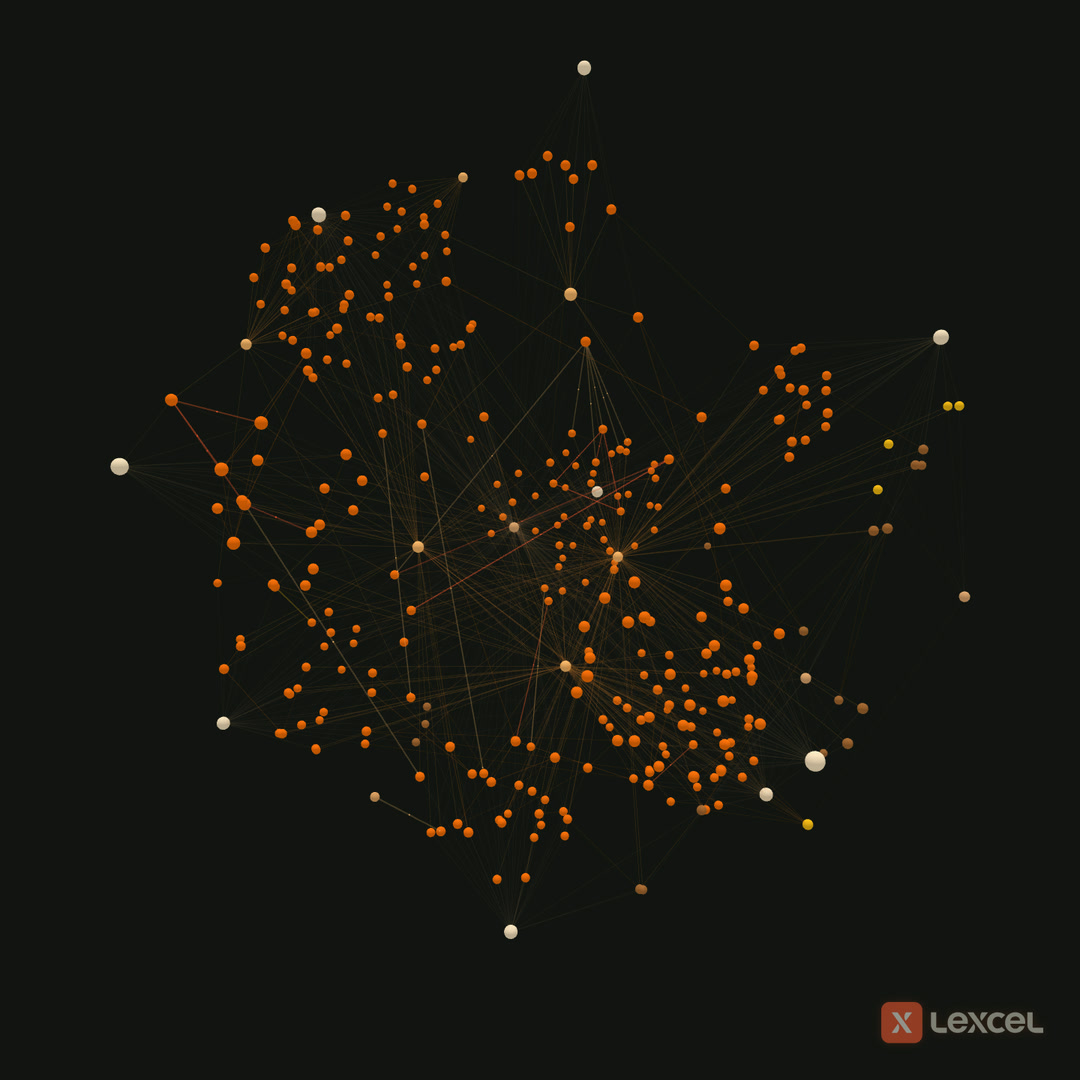
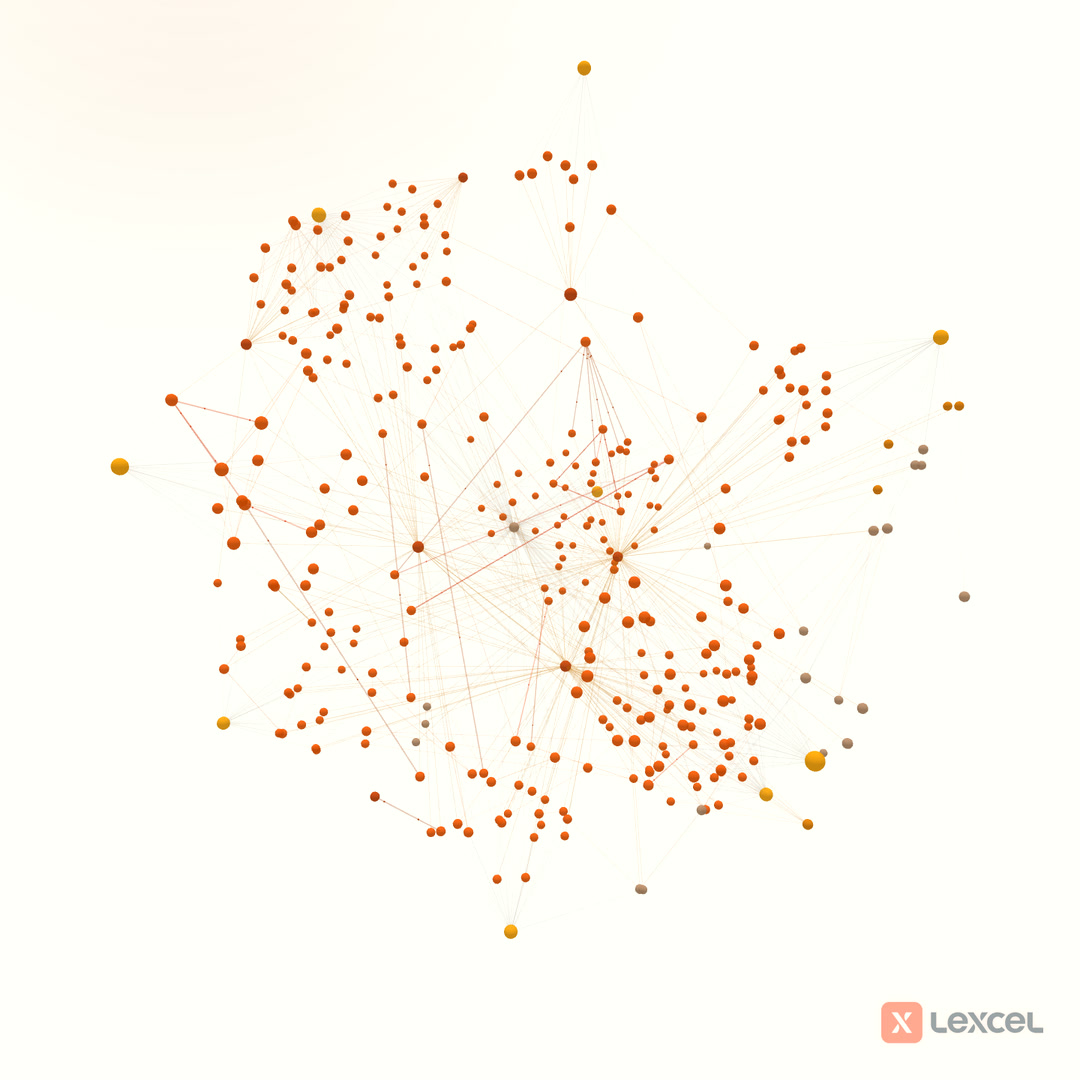
Only your underwriters can say which past positions still govern
Prior work is not self-interpreting. Two similar risks written three years apart can reflect different appetite, a shift in market conditions, or a one-off accommodation, and nothing in the file says which. Part of reconciling that is mechanical: when each position was taken, and what the desk has done more recently, shows where a later call has superseded an earlier one. The rest is judgment. Separating a position the organization still stands behind from one it has moved past lives with the underwriters who set it, and it cannot be handed to a vendor or a model. That interpretation is the hard thing, and it is not work an organization can outsource.
A decision framework has to be extracted from real files
Most of what a desk knows is held as pattern recognition, not prose. A senior underwriter can look at a set of materials and say what the posture should be without being able to state, in advance, the rule that produced it. The framework has to be extracted from the work itself: from the positions actually taken on real files, read alongside the reasoning the desk gave at the time.
Done well, this converges. The first pass over a repeating workflow produces a rough set of positions with obvious gaps. Each later file either confirms a position, narrows it, or surfaces one nobody had articulated. The framework stops being a document someone maintains on the side and becomes the record of how the desk actually decides.
Keeping the decision framework current without erasing its history
A decision framework is only institutional memory if it stays current and keeps its own history. The framework has to move as appetite and market conditions move, so it reflects how the desk underwrites today. And every change has to carry why it was made, so a superseded position stays visible next to the one that replaced it. That keeps the framework from silently reversing a call somebody made for a good reason, and it holds the reasoning inside the organization rather than letting it leave with the underwriter who made the call.
The practical test is one a new hire should be able to answer without finding the right person in the room: not just what the organization’s position is, but what it used to be and why it changed.
How to measure whether a decision framework is working
A framework nobody measures drifts. The standard is not whether the output reads well, but whether it matches the work the desk already considers correct. Take the files where the organization is confident in the answer, run the current framework against the same inputs, and compare.
The gaps that surface are the useful product. Some are missing positions. Some are positions stated too broadly to apply cleanly. And some are not framework failures at all: the desk reached its conclusion from something the inputs never contained, in which case the fix is flagging the missing input rather than inventing a rule. Sorting those three apart, file after file, is how a framework earns the right to be trusted on the next one.
Why horizontal AI tools don’t build institutional memory
Horizontal AI tools search, draft, and move a team through documents faster than manual review, and many now advertise institutional memory as a feature: point them at your files and, in a click or two, they will supposedly learn how your desk underwrites.
That is not how it works. What they do not settle is which of an organization’s past positions still stand and which were accommodations it never meant to repeat. Every file starts from the model’s general knowledge rather than the desk’s own history, and nothing accumulates once the file closes.
Getting a framework that actually reflects a desk takes far more than a setup wizard, which is something we have learned firsthand with underwriting teams rather than assumed. It takes forward-deployed engineers working alongside the desk, real buy-in from the underwriters whose judgment is being captured, and sometimes well over a hundred hours of agentic optimization and evaluations built to the organization’s own standards. The one-click version skips all of it, and the gap shows on the first file that turns on a judgment call.
A fluent answer on a single file is not the same as a framework the organization keeps.
How Lexcel builds institutional memory into a decision framework
Lexcel builds agentic workflows on each organization’s own decision framework, starting from one high-volume part of the underwriting and the judgment and prior materials already behind it. Every position points back to the documents behind it, and the underwriter keeps the final say.
To see what this looks like on your own book, contact Lexcel.
Key Takeaways
Underwriting should not be a bottleneck. Lexcel transforms how insurance teams underwrite, from automated data extraction to AI-powered insights, all within a collaborative platform designed for the speed and complexity of modern underwriting.
Ready to see how Lexcel can transform your workflow? Schedule a call or contact sales